
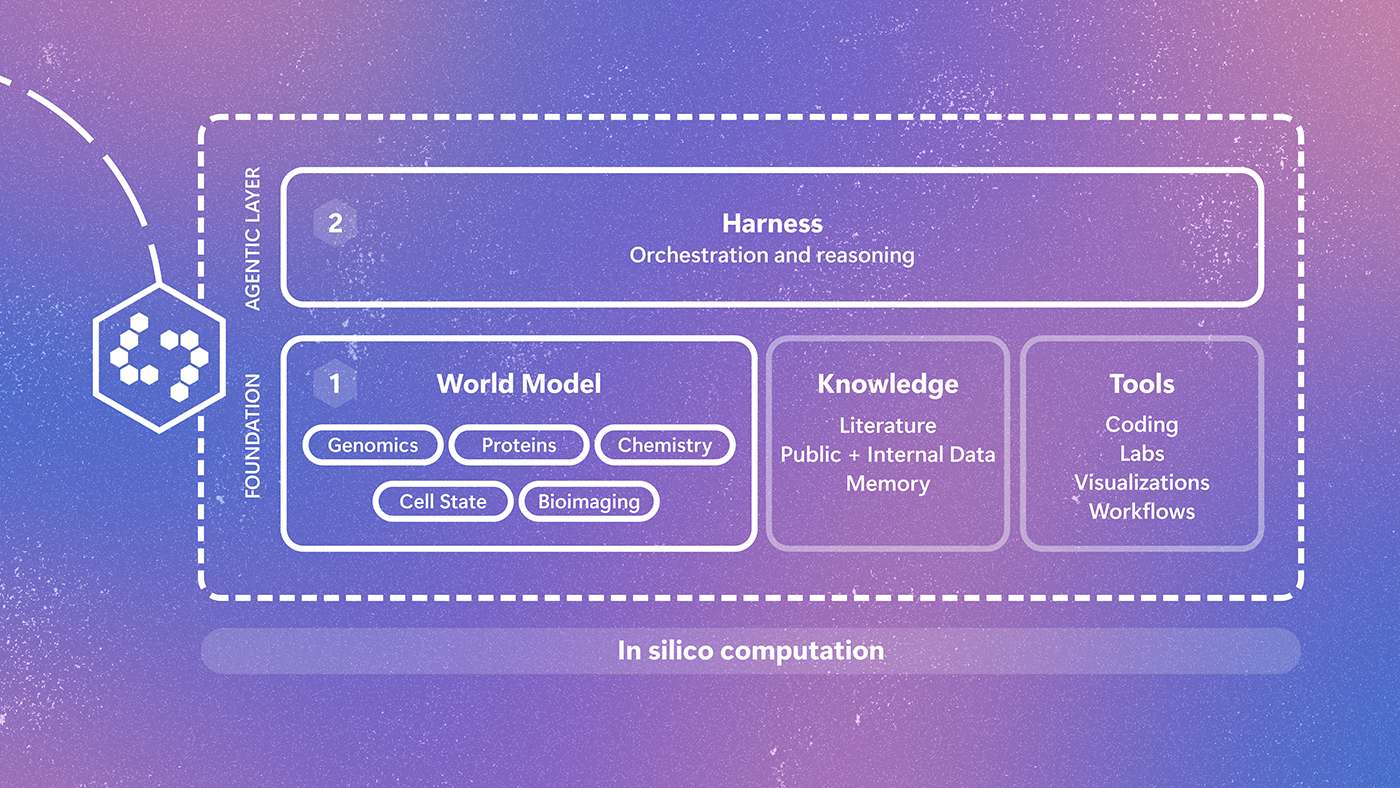
Microsoft Research has unveiled Quine, an AI system that integrates a biological world model with experimental laboratory workflows. The system predicts how biological states evolve after interventions, allowing researchers to computationally rank compounds before physical testing. In initial cancer research, Quine identified therapeutic compounds in a single weekend that traditionally require months of experimental verification.
Predictive modeling for biological interventions
Quine operates as a discovery system that connects scientific literature, digital tools, and physical laboratories. It uses foundation models to represent biological states and reason through the multi-step consequences of specific interventions. Rather than relying solely on genetic data, the system explores design spaces that are too large for manual experimentation, such as the interactions between proteins and tissues.
In a practical application focused on cancer, researchers used the system to study non-genetic cellular states. Quine prioritized thousands of compounds to determine which could shift tumor cells between specific therapeutic states. Laboratory results confirmed that the highest-ranked AI predictions produced the most significant biological shifts, including effects from compounds with unexpected mechanisms of action.
Development stage and research constraints
The project is currently a research effort and a long-term vision for a discovery loop rather than a commercially available product. Microsoft Research notes that the underlying world model is not designed to be perfect, as biology cannot be fully derived from first principles. Instead, its primary function is to inform experimental design and narrow the search space for wet-lab validation.
The system remains dependent on iterative feedback from physical experiments to refine its predictions. While it successfully reduced a multi-month search for cancer compounds to a weekend, these results are limited to specific cellular transitions in a controlled research setting. The software is intended to augment rather than replace traditional laboratory resources.
Original source
This report summarises the source below. Analysis is labelled separately; product and research claims remain attributed to their source.
Read the original at Microsoft Research