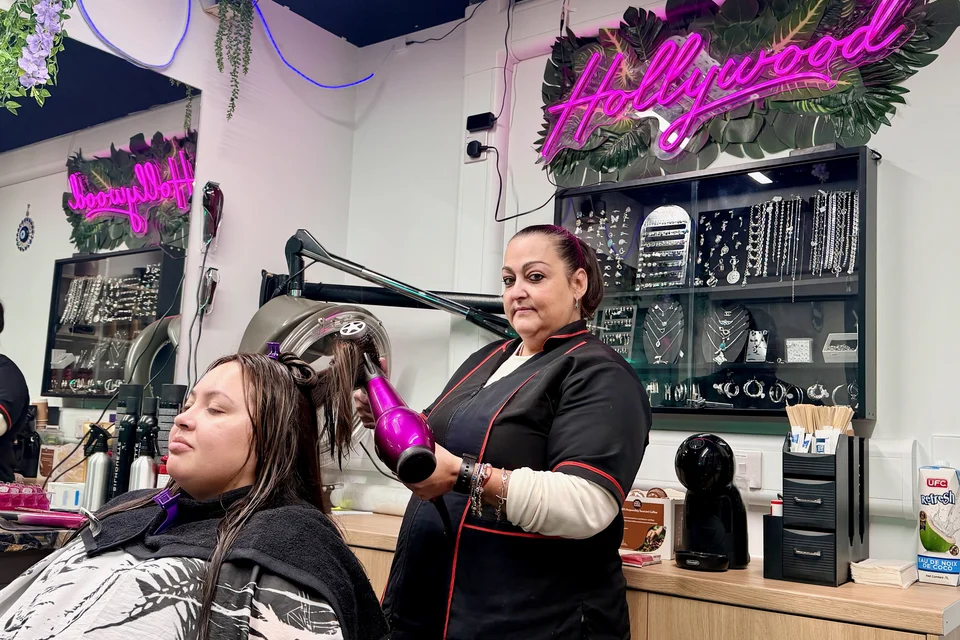
A UK guide for hair, beauty and nail salons on AI receptionists: what they can book, the options built into Fresha, Treatwell, Phorest and Booksy and their published prices (checked 13 November 2026), built-in versus standalone tools, calls the AI should not handle alone such as colour bookings needing an allergy alert test, ICO guidance on call recording, privacy information and health data, and a hypothetical break-even example in GBP.
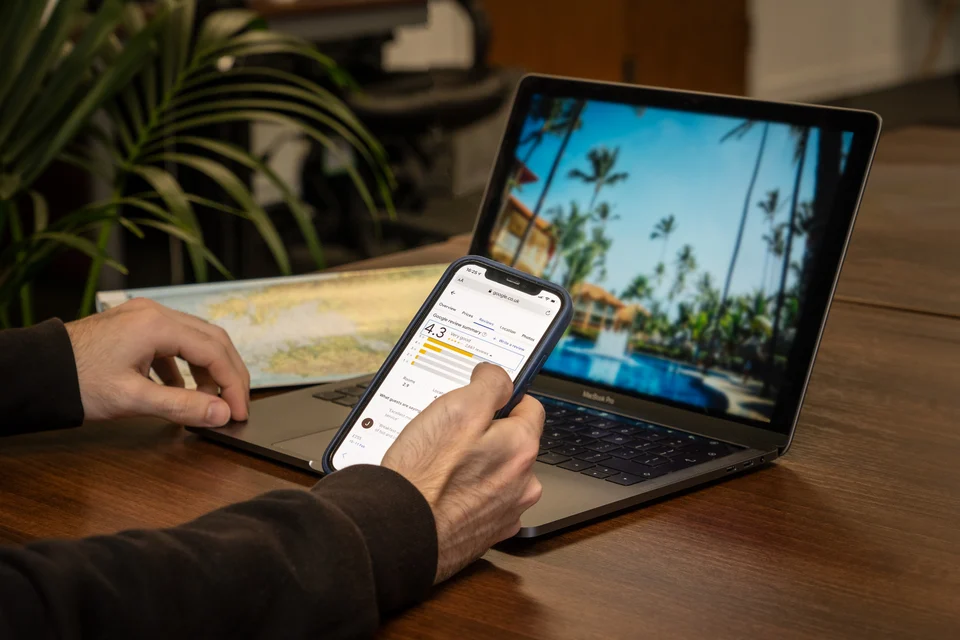
A UK guide for small businesses on using AI to respond to Google reviews: what the DMCC Act 2024 fake review rules and CMA guidance cover, the CMA's October 2026 update on its review investigations, Google's fake engagement and reply guidance, which replies AI can draft and which need a person, review tool features to avoid such as review generation and gating, and a hypothetical time-saving example in GBP.
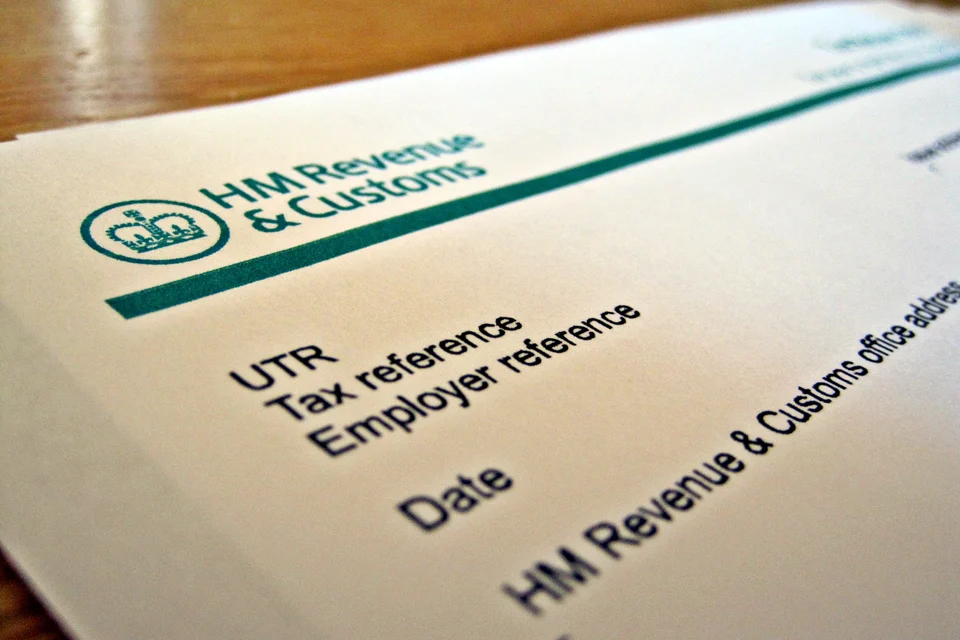
A UK guide for sole traders and landlords on AI-assisted bookkeeping under Making Tax Digital for Income Tax: what HMRC requires, who joins when (£50,000 from April 2026, £30,000 from April 2027, £20,000 from April 2028), quarterly deadlines and the Budget 2026 penalty relief, what bank feeds and receipt capture can automate, what still needs a person, dated GBP software prices and a hypothetical costed example.
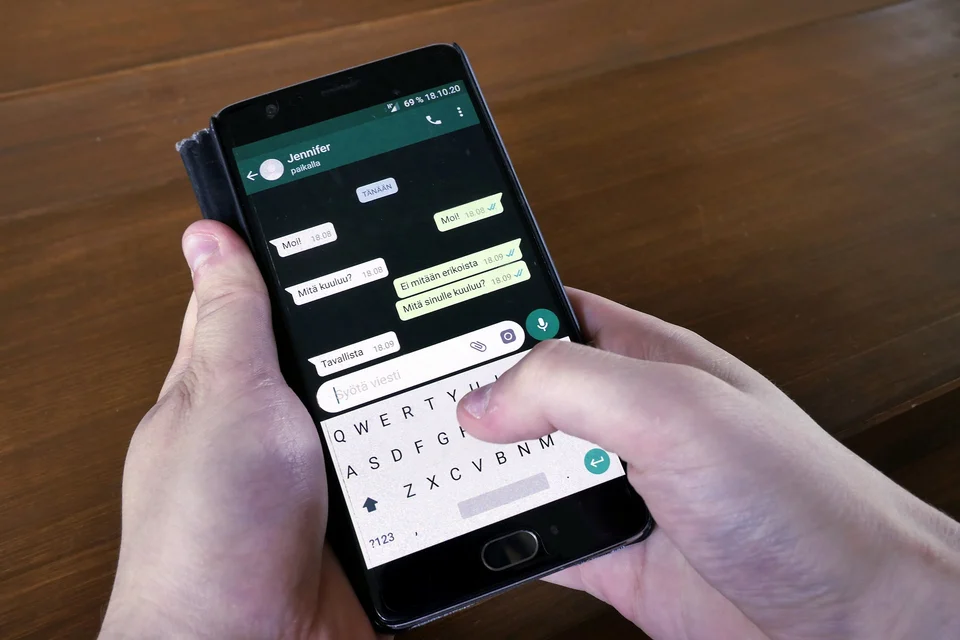
A UK small business guide to Meta Business Agent on WhatsApp: the free app version and the token-priced Platform version, what it can and cannot do, availability and excluded sectors such as alcohol and health, what Meta does with your chats, the alternatives, a hypothetical costed salon example and a decision checklist.
What small businesses can do to appear in ChatGPT, Google AI Overviews and AI Mode, Copilot and Perplexity answers: crawler access, plain service pages, accurate listings, UK-compliant reviews, which GEO claims are evidence-backed, and a hypothetical monthly check across 10 customer questions.
What to put in an AI acceptable use policy for a UK small business: approved tools, data rules, human review, off-limits uses and ownership, the UK rules it must fit, how to handle shadow AI, and a hypothetical costed example.
A cloned voice of your boss asks for an urgent payment. What the Fideuram case shows, how common CEO fraud and business email compromise are according to the FBI and UK Finance, why you cannot rely on spotting a fake voice, three simple checks that stop the payment (call back on a known number, a code word, two-person approval), a worked example and what UK APP fraud reimbursement rules cover if money has gone.
Do you have to tell callers that your phone is answered by AI? What Article 50 of the EU AI Act requires from 2 August 2026, how UK consumer and data protection law applies without an AI-specific statute, which US federal and state rules apply, a UK/EU/US comparison table, a worked example and what a good opening line covers. General information, not legal advice.
A decision guide for small business owners after this week's announcements from Google, Anthropic and Stripe, and Gusto's Fall Showcase: what an AI agent can safely prepare on its own, why payments, customer emails and deleting data should wait for a person, five risk tiers, five questions for deciding what to delegate, a worked cost example in GBP and what a well set-up agent looks like.
A practical guide for UK hospitality owners and managers: which jobs AI can take on (calls, bookings, guest messages, review drafts, rota forecasting, stock and invoices), what should stay with staff, published GBP prices with a worked example, UK GDPR, allergen and shift-rule risks, and decision criteria so tools make work easier rather than harder.
A practical guide for UK trades on AI call answering: why missed calls cost work, what the services handle, why quotes and emergencies should stay with a person, published GBP prices with a worked example, UK GDPR recording rules and a trade-specific checklist.
A practical guide to AI email triage for small teams: which categories to automate, which replies must reach a person, a sort-draft-send rollout, dated prices for Gmail, Outlook Copilot, Superhuman, SaneBox and Help Scout, and a worked example.
A dated comparison of per-seat prices, commitments, VAT treatment, data-training terms and admin features for four business AI plans, with a worked hypothetical annual cost for a ten-person team.
Five concrete uses of AI across customer replies, enquiries, documents, marketing and internal knowledge, with a practical way to choose and assess a first task.
A use-case selection guide to ChatGPT, Microsoft 365 Copilot, Gemini in Google Workspace, AI by Zapier and Canva, with clear tradeoffs and a practical comparison method.
A practical hiring guide covering when to seek outside help, measurable deliverables, supplier questions, operating costs and an adaptable project brief.
A practical guide to choosing a written-support workflow, preparing its knowledge, designing human handoff and measuring whether customers get useful help.
A practical route from supplier documents to reviewed accounting records, covering field specifications, duplicate checks, approval controls and a worked capacity calculation.
A task-first employee-training programme with role-specific exercises, a reusable prompt worksheet, a practical workshop agenda and follow-up measures.
Evoogen editorial · 6 min read
Photographs illustrate everyday business settings. They do not represent Evoogen clients or project results.