
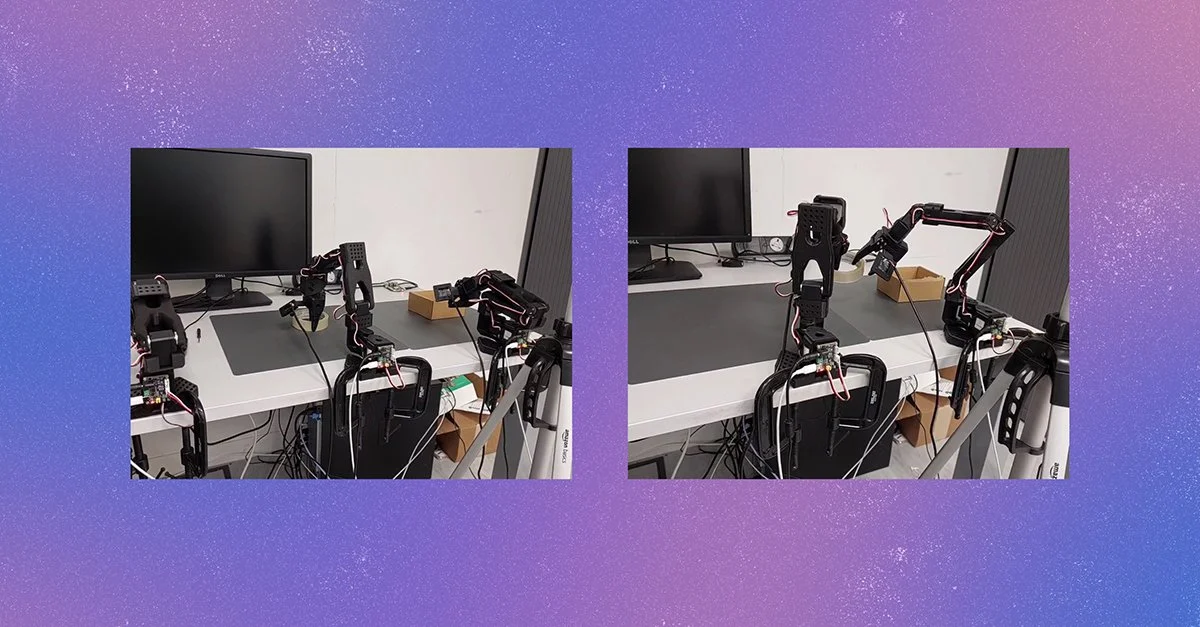
Microsoft Research compared onboard, edge and cloud inference for robotic planning, navigation and manipulation. Its study found performance and battery-life benefits from offloading computation in the tested setups. The researchers also describe trade-offs involving network latency, bandwidth and available computing resources.
What the study compares
Microsoft Research examines offloaded inference for physical AI across planning, navigation and manipulation. Running models away from the robot can reduce the computing hardware and energy demand carried on board, while changing how the robot depends on its network.
The study compares onboard, edge and cloud configurations. Microsoft reports performance and battery benefits in the evaluated setups. Those results describe the tested configurations, rather than a universal advantage of remote inference.
The network becomes part of the design
Latency, bandwidth and connection availability affect whether an offloaded system can respond in time. An application must balance those constraints against the costs of local computing. The appropriate split may differ between a predictable environment and one with unreliable connectivity.
Original source
This report summarises the source below. Analysis is labelled separately; product and research claims remain attributed to their source.
Read the original at Microsoft Research